In today’s fast-paced world, where long hours at a desk are common, choosing the right workstation is more critical than ever for both productivity and well-being. While many desk options exist, a solid wood standing desk offers a unique blend of timeless aesthetics, unparalleled durability, and significant health advantages. This comprehensive guide will help you understand why investing in a solid wood standing desk is a smart decision and how to select the perfect one to transform your office into a healthier, more inspiring environment.
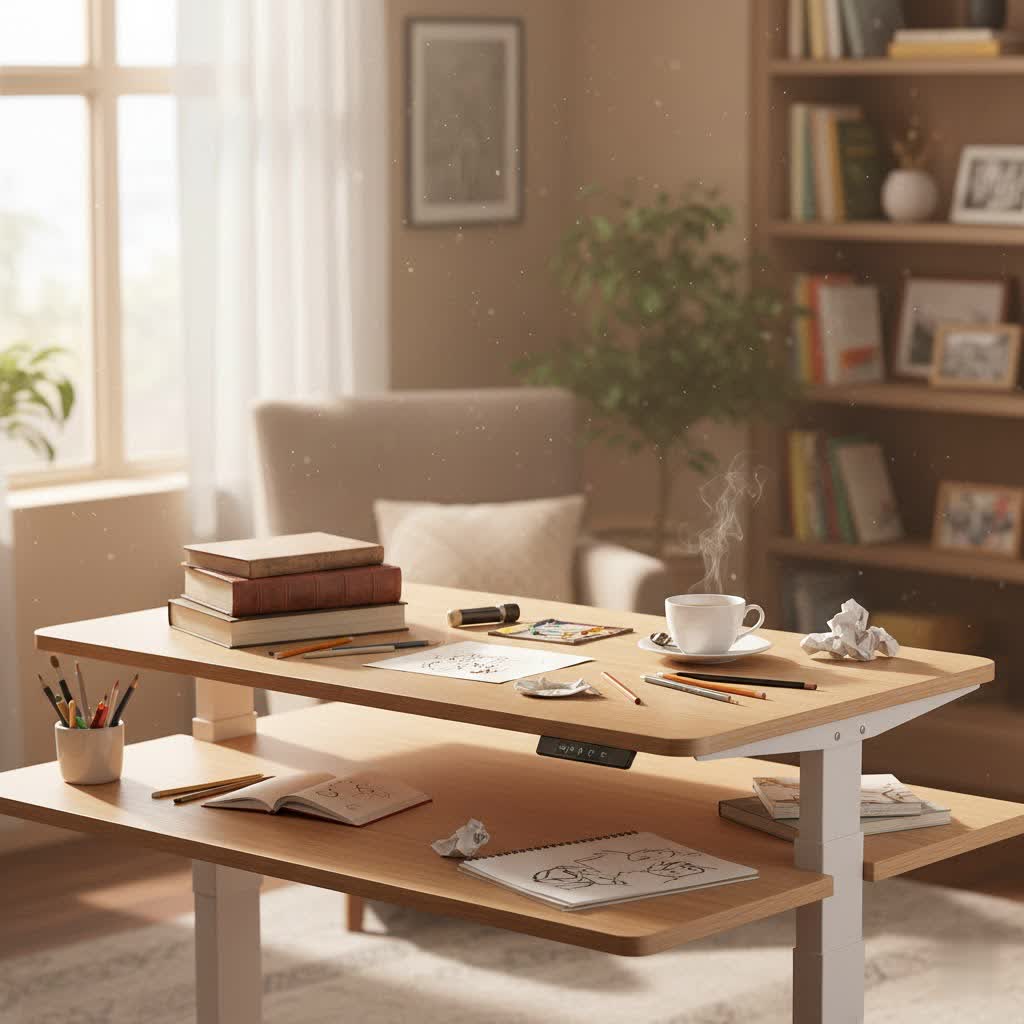
Choosing the Right Solid Wood Standing Desk: A Detailed Guide
Selecting a solid wood standing desk involves considering various factors to ensure it meets your specific needs and seamlessly integrates into your workspace. From the type of wood to the adjustment mechanism, each detail contributes to the overall experience.
Popular Types of Solid Wood Standing Desks
Solid wood standing desks primarily differ in their height adjustment mechanisms and wood types. The frame is typically industrial-grade steel for stability, while the desktop is the star.
- Manual Height Adjustable Standing Desks: These desks typically use a hand crank for height adjustments. They are often a more budget-friendly option and suitable if you don’t frequently change positions. Some models are noted for their robust and secure nature, proving durable even after extended use.
- Electric Height Adjustable Standing Desks: Equipped with electric motors, these desks offer smooth, quiet, and effortless height transitions at the touch of a button. Many come with programmable memory presets, allowing you to save your ideal sitting and standing heights. Advanced models may feature OLED controllers, app control, and anti-collision systems.
- Foldable Standing Desks: While less common for solid wood, some designs prioritize portability and compact storage.
- Standing Desks with Integrated Treadmills: These are specialized setups for active workstations, allowing users to walk while working. While the desk itself might be solid wood, the treadmill component is a separate integrated unit.
|
Our Picks for the Best Standing Desk in 2026
As an Amazon Associate I earn from qualifying purchases.
|
||
| Num | Product | Action |
|---|---|---|
| 1 | ErGear Height Adjustable Electric Standing Desk, 48 x 24 Inches Sit Stand up Desk, Memory Computer Home Office Desk with Two-Piece Desktop (Walnut) |

|
| 2 | Ergear Height Adjustable Electric Standing Desk, 48x24 Inches Sit Stand up Memory Computer Home Office Desk (Natural),(EGESD5N) |
|
| 3 | Veken 55 Inch Large Electric Standing Desk,Sit to Stand Up, Heights Adjustable, Work Home Office Computer Table for Study, Walking Pad, Writing, and Games, Wooden Desktop Desks, White |
|
| 4 | ErGear Height Adjustable Electric Standing Desk, 48 x 24 Inches Sit Stand up Desk, Memory Computer Home Office Desk with Two-Piece Desktop (Grey) |
|
| 5 | Veken 55 Inch Large Electric Standing Desk, 4 Memory Heights Adjustable,Sit to Stand Up, Work Home Office Computer Table for Study, Walking Pad, Writing, and Games, Wooden Desktop Desks, Nature Wood |
|
| 6 | ErGear Height Adjustable Electric Standing Desk, 48 x 24 Inches Sit Stand up Desk, Memory Computer Home Office Desk with Two-Piece Desktop (White) |
|
| 7 | Veken 55 Inch Large Electric Standing Gaming Desk, Heights Adjustable,Sit to Stand Up, Work Home Office Computer Table for Study, Walking Pad, Writing, and Games, Wooden Desktop Desks, Black |
|
| 8 | ErGear Height Adjustable Electric Standing Desk, 48 x 24 Inches Sit Stand up Desk, Memory Computer Home Office Desk with Two-Piece Desktop (Vintage Brown) |
|
| 9 | HUANUO 32" Small Electric Standing Desk Adjustable Height, 4 Memory Height Settings, Sit Stand Up Desk for Home Office & Computer Workstation, LightWalnut |
|
| 10 | Veken 55 Inch Large Electric Standing Desk, Heights Adjustable, Sit to Stand Up, Work Home Office Computer Table for Study, Walking Pad, Writing, and Games, Wooden Desktop Desks, Brown |
|
Key Factors to Consider When Buying a Solid Wood Standing Desk
When investing in a solid wood standing desk, several elements should guide your decision to ensure satisfaction for years to come.
- Size and Workspace: Measure your available space meticulously. Consider the dimensions of the desktop (e.g., 120×60 cm, 140×70 cm, 160×80 cm) and ensure it can comfortably accommodate your monitors, laptop, keyboard, and other essentials without feeling cramped. If you need more surface area for multitasking or gaming, L-shaped desks or wider options (over 48 inches) are available.
- Height Adjustment Range: The desk should accommodate your specific height comfortably in both sitting and standing positions. Look for a range that allows for proper ergonomic posture, typically from around 28-29 inches at its lowest to 47-48 inches or more at its highest. Some electric frames are designed to hold significant weight, providing stability even at full extension.
- Wood Material and Durability: Solid wood is prized for its natural strength and longevity. Hardwoods like oak, walnut, and maple are highly durable, resistant to dents and everyday wear, and less prone to splitting or breaking compared to engineered woods. Rubberwood is another sustainable and hard-wearing option. The way the wood is dried, sanded, and sealed significantly impacts its longevity and resistance to moisture or temperature changes. A quality polyurethane coating or natural wax oil finish can protect the wood and enhance its natural beauty.
- Weight Capacity: Ensure the desk’s frame can support the total weight of your equipment (monitors, PC, accessories). High-quality solid wood desks, especially those with robust steel frames, can often handle over 300 lbs, providing exceptional stability.
- Additional Features: Modern standing desks offer a variety of conveniences:
- Cable Management: Built-in grommets or trays help keep your workspace tidy.
- Integrated Power: USB ports and built-in outlets on the desktop for easy charging.
- Memory Presets: For electric desks, programmable height settings for quick transitions.
- Anti-Collision System: Prevents the desk from lowering onto obstacles.
- Drawers/Cabinets: For added storage, though less common in pure standing desk designs.
Comparison of Popular Solid Wood Types for Desktops
Choosing the right wood type impacts not only the aesthetic but also the desk’s durability and price.
| Wood Type | Key Characteristics | Appearance | Durability | Price Range |
|---|---|---|---|---|
| Oak | One of the strongest hardwoods, highly resistant to wear | Distinctive grain, warm tones (golden to reddish brown) | Excellent | High |
| Walnut | Strong, shock-resistant, relatively lightweight | Rich, dark brown with purplish hues, moderately open grain | Very Good | High |
| Maple | Very hard and dense, resistant to dents | Pale, light color with fine, straight grain | Excellent | Moderate to High |
| Rubberwood | Environmentally friendly, dense, sustainable | Light, uniform color; takes stains well | Good | Moderate |
| Acacia | Durable, water-resistant, unique grain patterns | Varied tones from light brown to deep red | Very Good | Moderate to High |
| Knotty Alder | Softer hardwood, often distressed for a reclaimed look | Pronounced knots, rustic appearance | Good | Moderate |
Buying Guide for Your Solid Wood Standing Desk
Purchasing a solid wood standing desk is an investment that requires careful consideration. Follow these steps to make an informed decision:
- Define Your Usage Needs: What is the primary purpose of your desk? Will it be for intensive work, casual use, or a mix of activities? How often do you plan to switch between sitting and standing? This will influence the features you prioritize, such as electric adjustment speed or specific accessory needs.
- Set Your Budget: Solid wood standing desks range widely in price, from mid-range options around $600 to high-end, handcrafted pieces exceeding $4,000. Establish a realistic budget that aligns with your desired quality and features.
- Research and Compare: Read reviews from trusted sources and compare different models and brands. Look for detailed insights into stability, motor performance (for electric desks), and the quality of the wood finish. Pay attention to warranty information, especially for the frame and motor.
- Buy from Reputable Suppliers: Choose manufacturers or retailers with strong reputations, clear return policies, and comprehensive warranties. In-house wood drying and crafting processes can indicate higher quality and attention to detail.
- Inspect Before Purchase (if possible): If buying in person, check for any imperfections, ensure the desk operates smoothly, and verify all components are present and functional.
The Undeniable Benefits of a Solid Wood Standing Desk
Beyond its aesthetic appeal, a solid wood standing desk offers a wealth of advantages for your health, productivity, and overall workspace.
- Improved Health: Incorporating a standing desk into your routine helps combat the negative effects of prolonged sitting. It can reduce the risk of cardiovascular disease, type 2 diabetes, and obesity. Changing positions throughout the day alleviates strain on your back and neck, common issues associated with “tech neck” and poor posture.
- Enhanced Energy and Focus: Standing naturally keeps you more alert and engaged. The ability to shift between sitting and standing can boost circulation, leading to increased energy levels and improved cognitive function, which translates to better concentration and productivity.
- Reduced Back and Neck Pain: Alternating between sitting and standing postures significantly reduces pressure on your spine and muscles. This dynamic movement can alleviate existing back and neck pain and help prevent new issues from developing, promoting a healthier posture.
- Better Posture: Standing encourages you to straighten your back and align your body, fostering better overall posture over time. This can reduce slouching and the associated discomforts.
- Increased Creativity and Engagement: A change of scenery, even just shifting from sitting to standing, can stimulate new thoughts and perspectives. Many find that physical movement helps break through mental blocks and encourages creative thinking.
“A solid wood standing desk isn’t just a piece of furniture; it’s an investment in your long-term health and daily productivity. The natural aesthetic and robust build quality create a workspace that inspires.”
Conclusion
A solid wood standing desk is more than a trend; it’s a profound upgrade to any workspace, blending timeless design with modern ergonomic benefits. By understanding the types of wood, key features, and health advantages, you can make an informed decision that will support your well-being and productivity for decades. Choosing a solid wood standing desk means investing in durability, sustainability, and a healthier, more beautiful environment.
Are you ready to experience the lasting beauty and health benefits of a solid wood standing desk?
Frequently Asked Questions
What makes solid wood a superior material for standing desks?
Solid wood offers exceptional durability, structural stability, and a timeless aesthetic compared to engineered wood or laminate. It resists warping and chipping, ages gracefully, and contributes to a natural, calming work environment, making it a better long-term investment.
How does a solid wood standing desk contribute to better posture and reduced pain?
By allowing seamless transitions between sitting and standing, a solid wood height-adjustable desk encourages dynamic posture. This movement reduces prolonged static load on your spine and muscles, alleviating back and neck pain while promoting a more upright and healthier stance.
Are solid wood standing desks more sustainable?
Yes, high-quality solid wood desks, especially those made from responsibly sourced timber, are generally more sustainable. Their longevity means fewer replacements, reducing landfill waste. They are also often free from harmful chemicals found in some composite materials.
What types of wood are best for a durable solid wood standing desk?
Hardwoods like oak, walnut, and maple are excellent choices for a durable solid wood standing desk. They are dense, strong, and resistant to dents and wear. Rubberwood and acacia also offer good durability and aesthetic appeal.
How do I maintain a solid wood standing desk?
Solid wood desks are relatively easy to maintain. Regular dusting with a soft cloth is usually sufficient. For spills, wipe immediately. Depending on the finish, occasional re-oiling or waxing might be recommended to preserve the wood’s luster and protection.
