In today’s dynamic work environment, finding space for a comfortable and ergonomic setup can be a real challenge, particularly in urban apartments or compact home offices. The good news is that you don’t need a sprawling area to enjoy the health and productivity benefits of an adjustable workstation. Small standing desks are ingeniously designed to fit into tight spaces, offering all the advantages of their larger counterparts without overwhelming your room. This comprehensive guide will walk you through everything you need to know about selecting the ideal compact standing desk, ensuring you can optimize your well-being and efficiency no matter the size of your workspace.
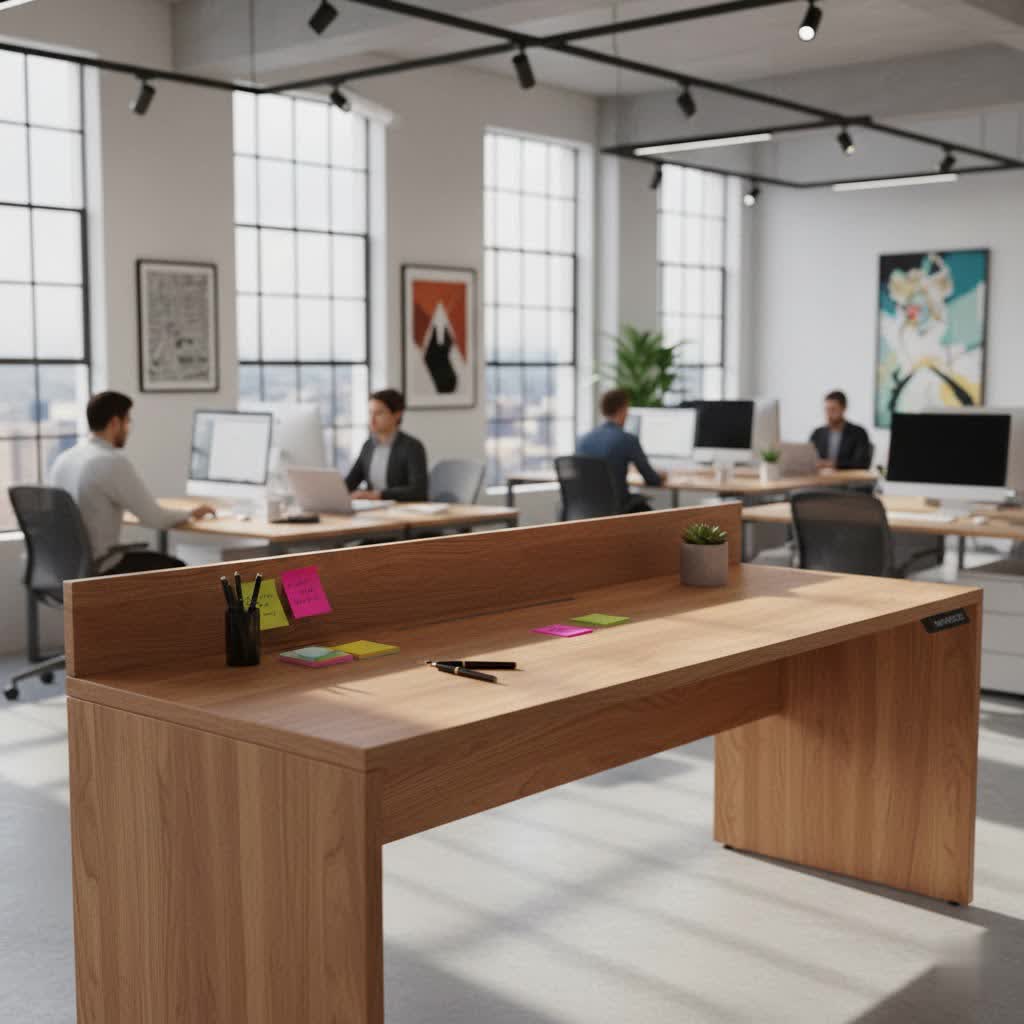
Choosing the Right Small Standing Desk: A Detailed Guide
Selecting a small standing desk requires careful consideration of your specific needs, available space, and desired features. Understanding the various types and key factors will help you make an informed decision that enhances both your physical health and your work output.
Popular Types of Small Standing Desks
The market offers a range of small standing desk options, each suited for different preferences and spatial constraints.
- Manual Height-Adjustable Standing Desks: These desks typically use a crank or pneumatic system to adjust height. They are often more budget-friendly and can be quite compact, making them a suitable choice for those who don’t need frequent height changes or prefer a simpler mechanism.
- Electric Height-Adjustable Standing Desks: Powered by motors, these desks offer smooth, quiet, and effortless height adjustments, often with programmable memory presets for your preferred sit and stand positions. While generally a higher investment, many compact electric models are available, providing premium functionality in a smaller footprint.
- Standing Desk Converters: Instead of a full desk, these units sit on top of your existing conventional desk. They offer a quick and economical way to transition between sitting and standing, proving highly compact and often portable. This is an excellent option if you’re not ready to replace your entire desk.
- Portable/Foldable Standing Desks: For those with extremely limited space or a need for mobility, portable or foldable desks are the ultimate space-saving solution. They can be easily stowed away when not in use, making them perfect for temporary setups, shared spaces, or even working from different rooms.
- Integrated Desk with Treadmill: While often larger, some minimalist designs can pair with a compact walking pad underneath, allowing you to walk while working. If your small space can accommodate a very narrow setup, this provides an active workstation.
|
Our Picks for the Best Standing Desk in 2026
As an Amazon Associate I earn from qualifying purchases.
|
||
| Num | Product | Action |
|---|---|---|
| 1 | HUANUO 32" Small Electric Standing Desk Adjustable Height, 4 Memory Height Settings, Sit Stand Up Desk for Home Office & Computer Workstation, LightWalnut |

|
| 2 | ErGear Height Adjustable Electric Standing Desk, 48 x 24 Inches Sit Stand up Desk, Memory Computer Home Office Desk with Two-Piece Desktop (Vintage Brown) |
|
| 3 | ErGear Height Adjustable Electric Standing Desk, 48 x 24 Inches Sit Stand up Desk, Memory Computer Home Office Desk with Two-Piece Desktop (Walnut) |
|
| 4 | Veken 55 Inch Large Electric Standing Gaming Desk, Heights Adjustable,Sit to Stand Up, Work Home Office Computer Table for Study, Walking Pad, Writing, and Games, Wooden Desktop Desks, Black |
|
| 5 | Veken 55 Inch Large Electric Standing Desk,Sit to Stand Up, Heights Adjustable, Work Home Office Computer Table for Study, Walking Pad, Writing, and Games, Wooden Desktop Desks, White |
|
| 6 | Veken 55 Inch Large Electric Standing Desk, Heights Adjustable, Sit to Stand Up, Work Home Office Computer Table for Study, Walking Pad, Writing, and Games, Wooden Desktop Desks, Brown |
|
| 7 | Veken 55 Inch Large Electric Standing Desk, 4 Memory Heights Adjustable,Sit to Stand Up, Work Home Office Computer Table for Study, Walking Pad, Writing, and Games, Wooden Desktop Desks, Nature Wood |
|
| 8 | ErGear Height Adjustable Electric Standing Desk, 48 x 24 Inches Sit Stand up Desk, Memory Computer Home Office Desk with Two-Piece Desktop (White) |
|
| 9 | Ergear Height Adjustable Electric Standing Desk, 48x24 Inches Sit Stand up Memory Computer Home Office Desk (Natural),(EGESD5N) |
|
| 10 | ErGear Height Adjustable Electric Standing Desk, 48 x 24 Inches Sit Stand up Desk, Memory Computer Home Office Desk with Two-Piece Desktop (Grey) |
|
Key Factors to Consider When Buying a Small Standing Desk
When evaluating compact standing desks, several critical factors come into play to ensure you choose a desk that meets your expectations for functionality and durability.
- Size and Workspace Footprint: This is paramount for a small desk. Accurately measure your available space, considering not just the desktop dimensions (e.g., 32×20, 36×24, or 40×24 inches) but also the base footprint and any monitor arms or accessories. Ensure enough room for chair movement and pathways.
- Height Adjustment Range: Verify that the desk’s minimum and maximum heights comfortably accommodate your sitting and standing posture. Proper ergonomics dictate your elbows should be at a 90-degree angle when typing, both seated and standing.
- Material and Durability: Look for sturdy construction, typically a steel frame, to ensure stability. The tabletop material should be durable, easy to clean, and resistant to wear and tear.
- Weight Capacity: Even a small desk needs to support your equipment securely. Check the weight capacity to ensure it can hold your monitor(s), laptop, accessories, and anything else you plan to place on it without strain.
- Stability: A common concern with standing desks, especially smaller ones, is wobble at higher settings. Read reviews and look for desks with robust frames and smooth lifting mechanisms that promise stability, even when fully extended.
- Additional Features: Consider practical additions like built-in cable management systems to keep your compact space tidy, integrated drawers for storage, USB charging ports, or programmable height presets for convenience. Casters can also add valuable mobility.
- Assembly: For compact spaces, easy assembly can be a significant advantage. Some small desks are designed for quick setup, while others might require more time and effort.
Comparison Table of Popular Small Standing Desk Models
| Feature | Compact Electric Desk (Brand A) | Manual Converter (Brand B) | Portable/Foldable Desk (Brand C) |
|---|---|---|---|
| Type | Electric | Manual Converter | Portable/Foldable |
| Footprint (approx.) | 36″ x 24″ (91×61 cm) | 28″ x 20″ (71×51 cm) | 24″ x 16″ (61×41 cm) |
| Height Range | 28″ – 48″ (71-122 cm) | Varies (sits on existing desk) | 24″ – 40″ (61-102 cm) |
| Weight Capacity | 150 lbs (68 kg) | 30 lbs (13.6 kg) | 20 lbs (9 kg) |
| Pros | Smooth electric adjustment, memory presets, good stability, integrated drawer option | Affordable, no assembly of full desk, good for existing setups, space-saving | Highly portable, can be stored away easily, very compact |
| Cons | Higher cost, requires power outlet | Less stable than full desk, limited surface area, no full sit-stand transition | Very limited surface, lower weight capacity, less stable, usually manual |
| Ideal For | Dedicated small home office, primary workstation | Occasional standing, temporary setups, rental spaces | Travel, secondary workstation, extreme space constraints |
Small Standing Desk Buying Guide
Navigating the market for the perfect small standing desk can be straightforward with a clear approach.
- Define Your Usage Needs: Before anything else, clarify how you’ll use the desk. Will it be your primary workstation for multiple monitors, or a simple spot for a laptop? Your equipment and daily tasks will dictate the necessary desktop size and stability.
- Measure Your Space Accurately: This step is non-negotiable for small spaces. Measure the width, depth, and even the vertical clearance if placing it under a window or shelf. Consider the space needed for your chair, walking paths, and opening drawers.
- Set a Realistic Budget: Standing desk prices vary widely. Manual options and converters are typically more affordable, while electric desks with advanced features can be a significant investment. Determine what you’re willing to spend, keeping in mind durability and features.
- Research and Compare Models: Don’t settle for the first option. Read reviews, especially those from users with similar space constraints. Compare features, stability reports, and customer service experiences across different brands.
- Check Warranty and Return Policies: A good warranty indicates manufacturer confidence in their product. Understand the return policy in case the desk doesn’t meet your expectations or fit your space as anticipated.
- Consider Ergonomic Accessories: To truly optimize a small standing desk, think about accessories that save space and improve ergonomics, such as monitor arms, keyboard trays, and an anti-fatigue mat for comfort during standing periods.
Benefits of Using a Small Standing Desk
The advantages of incorporating a standing desk into your daily routine extend far beyond simply having a place to work. These benefits are equally, if not more, impactful when utilizing a small standing desk in a compact environment.
- Improved Health: Regular alternation between sitting and standing significantly reduces sedentary behavior, which is linked to a lower risk of chronic conditions like heart disease, type 2 diabetes, and obesity. Standing encourages more movement throughout your workday.
- Enhanced Energy and Focus: Changing your posture can combat the afternoon slump, keeping you more alert and engaged. The increased blood flow when standing delivers more oxygen to your brain, sharpening mental clarity and boosting concentration.
- Reduced Back and Neck Pain: Prolonged sitting often leads to slouching and excessive pressure on your spine. A standing desk promotes a more neutral spinal alignment and allows for dynamic movement, easing tension and reducing common aches in the back and neck.
- Better Posture: By encouraging you to stand taller and engage your core, a standing desk helps you develop better postural habits, which can have long-term benefits for your overall skeletal health and confidence.
- Increased Productivity: Studies suggest that alternating between sitting and standing can lead to improved cognitive function and increased productivity. The subtle physical engagement prevents your body from entering “rest mode,” keeping your mind more ready for tasks.
- Optimized Small Spaces: Perhaps the most compelling benefit for the compact desk user, a small standing desk allows you to gain all these health advantages without sacrificing precious floor space. They are designed to fit seamlessly into nooks, corners, and minimalist setups, proving that ergonomic benefits don’t require a large footprint.
“In confined spaces, a small standing desk isn’t just a compromise; it’s a strategic enhancement, proving that maximizing health and productivity doesn’t require a large footprint.” – Dr. Elena Petrova, Ergonomics Specialist at ReviewCiel
Conclusion
Embracing a small standing desk is a powerful step towards creating a healthier, more productive, and space-efficient workspace. These compact solutions offer all the profound benefits of traditional standing desks—from improved physical health and reduced pain to enhanced energy and focus—tailored for environments where every inch counts. By carefully considering the types, key features, and your individual needs, you can find a durable and stable small standing desk that fits perfectly into your life. Don’t let limited space limit your potential; a compact standing desk empowers you to transform your daily routine and well-being. How will a compact standing desk revolutionize your daily routine and elevate your work experience?
Frequently Asked Questions
How small can a functional standing desk be?
Functional standing desks can be surprisingly compact, with desktops ranging from as small as 24×16 inches (61×41 cm) for highly portable models to more common sizes like 32×20 inches (81×51 cm) or 36×24 inches (91×61 cm) for mini electric desks. The key is ensuring it comfortably accommodates your essential equipment, such as a laptop or single monitor, while allowing for proper ergonomic positioning.
Are small standing desks stable?
Stability is a crucial concern for any standing desk, and especially for smaller models which might be perceived as less robust. However, many high-quality small standing desks are engineered with sturdy materials like steel frames and efficient motor systems to minimize wobble, even when extended to their full height. When purchasing, it’s always advisable to check product reviews specifically addressing stability to ensure a solid and dependable workstation.
