In today’s fast-paced world, where sedentary lifestyles are increasingly common, the modern standing desk has emerged as a crucial tool for enhancing both health and productivity. Gone are the days of clunky, purely functional height-adjustable tables; contemporary designs blend sleek aesthetics with cutting-edge ergonomics and smart technology. If you’re looking to transform your workspace into a dynamic environment that supports well-being and efficiency, understanding the nuances of modern standing desks is your first step. These innovative pieces of furniture offer the flexibility to seamlessly transition between sitting and standing, promoting movement, reducing physical strain, and fostering a more focused and energetic workday.
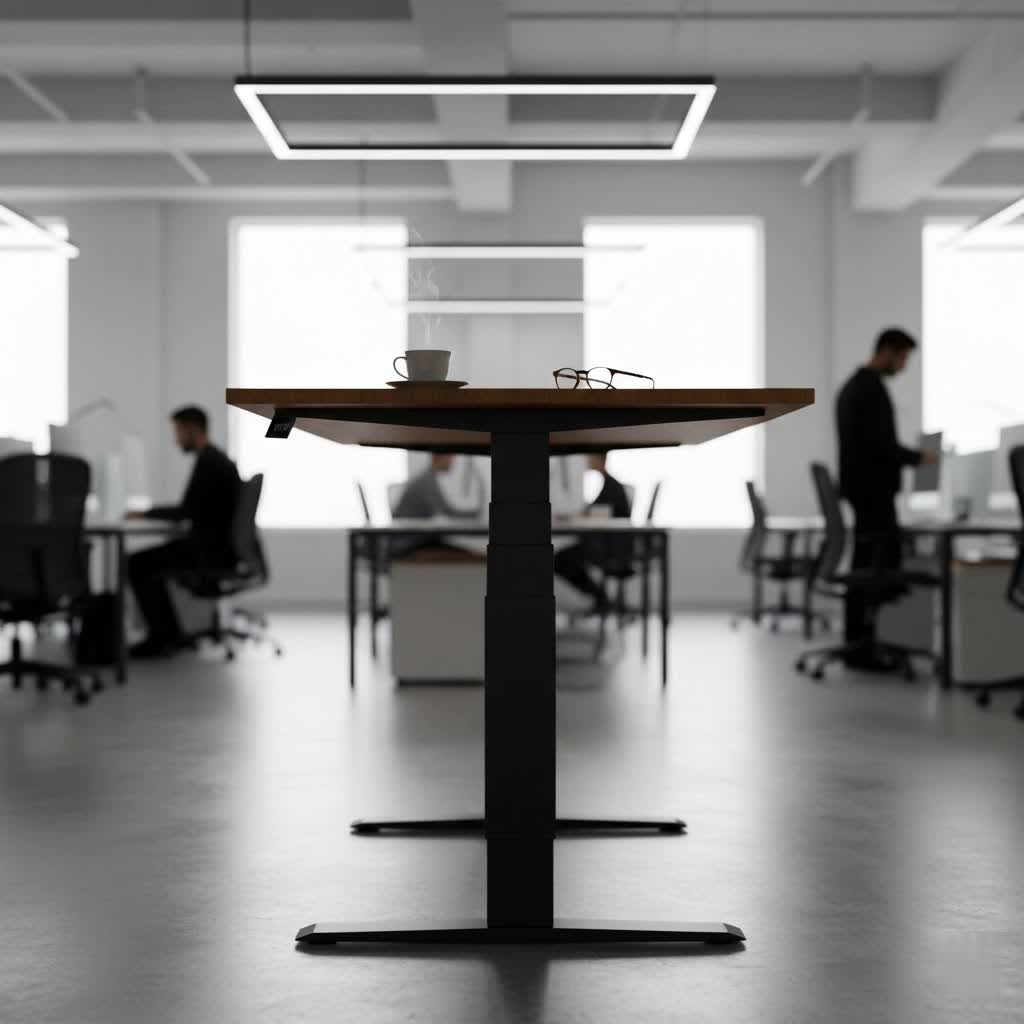
Choosing the Right Modern Standing Desk: A Detailed Guide
Selecting the ideal modern standing desk involves more than just picking a stylish piece of furniture; it’s about finding a harmonious balance between design, ergonomics, and functionality tailored to your unique needs and workspace. A thoughtful decision can significantly impact your daily comfort and overall productivity.
Popular Types of Standing Desks
Modern standing desks come in various configurations, each offering distinct advantages:
- Manual Height Adjustable Desks: These desks typically use a hand crank or pneumatic lever to adjust height. They are often more budget-friendly and do not require power, making them suitable for minimalist setups or areas without easy access to outlets. However, they can be slower to adjust and might support less weight compared to electric models.
- Electric Height Adjustable Desks: The most popular type, these desks utilize single or dual motors for smooth, quiet, and rapid height adjustments at the push of a button. Many include programmable memory presets, allowing users to save their preferred sitting and standing heights for quick transitions. Dual-motor systems generally offer superior stability and higher weight capacities, making them ideal for heavy equipment setups.
- Compact/Foldable Standing Desks: Designed for smaller spaces or occasional use, these desks can be easily folded or tucked away when not needed. They prioritize space optimization and portability, often featuring lighter materials and more minimalist designs.
- L-Shaped Standing Desks: Offering extensive surface area, L-shaped desks are perfect for multi-monitor setups, creative professionals, or anyone requiring ample workspace for various tasks. They often feature robust construction to support their larger size and can include integrated storage solutions.
- Standing Desk Converters: While not full desks, these risers sit atop an existing fixed-height desk, allowing you to elevate your monitors and keyboard to a standing position. They are a cost-effective way to experience the benefits of a standing desk without replacing your entire workstation.
|
Our Picks for the Best Standing Desk in 2026
As an Amazon Associate I earn from qualifying purchases.
|
||
| Num | Product | Action |
|---|---|---|
| 1 | ErGear Height Adjustable Electric Standing Desk, 48 x 24 Inches Sit Stand up Desk, Memory Computer Home Office Desk with Two-Piece Desktop (Walnut) |

|
| 2 | Ergear Height Adjustable Electric Standing Desk, 48x24 Inches Sit Stand up Memory Computer Home Office Desk (Natural),(EGESD5N) |
|
| 3 | ErGear Height Adjustable Electric Standing Desk, 48 x 24 Inches Sit Stand up Desk, Memory Computer Home Office Desk with Two-Piece Desktop (White) |
|
| 4 | HUANUO 32" Small Electric Standing Desk Adjustable Height, 4 Memory Height Settings, Sit Stand Up Desk for Home Office & Computer Workstation, LightWalnut |
|
| 5 | Veken 55 Inch Large Electric Standing Desk, 4 Memory Heights Adjustable,Sit to Stand Up, Work Home Office Computer Table for Study, Walking Pad, Writing, and Games, Wooden Desktop Desks, Nature Wood |
|
| 6 | ErGear Height Adjustable Electric Standing Desk, 48 x 24 Inches Sit Stand up Desk, Memory Computer Home Office Desk with Two-Piece Desktop (Grey) |
|
| 7 | Veken 55 Inch Large Electric Standing Gaming Desk, Heights Adjustable,Sit to Stand Up, Work Home Office Computer Table for Study, Walking Pad, Writing, and Games, Wooden Desktop Desks, Black |
|
| 8 | Veken 55 Inch Large Electric Standing Desk,Sit to Stand Up, Heights Adjustable, Work Home Office Computer Table for Study, Walking Pad, Writing, and Games, Wooden Desktop Desks, White |
|
| 9 | ErGear Height Adjustable Electric Standing Desk, 48 x 24 Inches Sit Stand up Desk, Memory Computer Home Office Desk with Two-Piece Desktop (Vintage Brown) |
|
| 10 | Veken 55 Inch Large Electric Standing Desk, Heights Adjustable, Sit to Stand Up, Work Home Office Computer Table for Study, Walking Pad, Writing, and Games, Wooden Desktop Desks, Brown |
|
Essential Factors to Consider When Buying a Standing Desk
Making an informed choice requires evaluating several key aspects to ensure the desk meets your specific requirements.
- Size and Workspace: Begin by meticulously measuring your available space to determine the appropriate desk dimensions. For limited areas, compact models (e.g., 42-48 inches wide) are ideal, while larger offices can accommodate 60-inch or L-shaped desks. Consider monitor setups, workflow, and clearance for movement when standing.
- Height Adjustability Range: Ensure the desk’s height range comfortably accommodates both your sitting and standing postures. A typical good range is 24 to 50 inches, supporting a wide array of user heights. For optimal ergonomics, your elbows should rest at a 90-degree angle when typing, and your monitor should be at eye level without straining your neck.
- Material and Durability: Modern standing desks often feature premium materials that contribute to both style and longevity. Popular choices include:
- Bamboo or Walnut Wood: For natural warmth, elegance, and eco-conscious appeal.
- Powder-Coated Steel: Offers superior durability, stability, and a sleek, smudge-resistant matte finish.
- Tempered Glass: Provides a clean, ultra-modern aesthetic, often with integrated digital controls.
Prioritize materials that are durable, stain-resistant, and easy to clean.
- Weight Capacity: This is crucial, especially if you plan to use multiple monitors, heavy equipment, or desk accessories. Most modern electric desks offer capacities ranging from 150 lbs to over 300 lbs. Dual-motor systems typically support heavier loads with greater stability.
- Additional Features: Modern standing desks distinguish themselves with integrated smart features:
- Programmable Presets: Store your ideal sitting and standing heights for quick, one-touch adjustments.
- Cable Management: Integrated trays, grommets, magnetic anchors, and power supply columns (like the Secretlab MAGNUS Pro) keep wires tidy and out of sight, maintaining a clean aesthetic.
- Anti-Collision Detection: A safety feature that stops the desk from moving if it encounters an obstacle, preventing damage or injury.
- Built-in Charging: USB-A/C ports or wireless charging pads integrated into the desktop offer convenient power for devices.
- Drawers/Storage: Some models include soft-close drawers or integrated cabinets for minimalist storage, helping to declutter the workspace.
Comparison of Popular Modern Standing Desks
| Brand | Model | Pros | Cons | Price Range |
|---|---|---|---|---|
| Autonomous | Desk 5 | Gesture control, smart sensors, silent dual motors, cable tray | Frame color sometimes differs from online images | $300-$1,200 |
| FlexiSpot | Comhar Adjustable Desk | Built-in USB (Type-A & C), spacious drawer, compact size | May not suit users needing very high weight capacity | $299-$499 |
| Eureka Ergonomic | Ark ES Executive Standing Desk | Executive-grade design, USB hub, ample storage, sturdy | Time-consuming assembly, higher price point | $1,500-$2,500 |
| Secretlab | MAGNUS Pro XL | Integrated power supply column, magnetic cable management, PC mount, quiet motors, smart RGB lighting | Heavy assembly (requires two people), premium price for extras | $1,098-$1,700+ |
| Branch | Standing Desk | Premium materials, easy assembly, four height presets, cable door | More generic business look, fewer advanced features compared to others | $749-$949 |
| Uplift Desk | V3 (V2 tested by CNET) | Highly customizable (sizes, colors, accessories), robust lift capacity (355 lbs) | Higher price tag, some find legs thinner | $648-$1,500+ |
Buying Guide: How to Purchase Your Ideal Standing Desk
Navigating the market for a modern standing desk can be exciting. Here’s a streamlined approach to ensure you make the best purchase.
- Define Your Usage Needs: Clarify the primary purpose of your standing desk. Is it for intensive work, casual study, gaming, or a blend of activities? This will inform your choices regarding desktop size, weight capacity, and integrated features.
- Set a Realistic Budget: Standing desks vary widely in price, from budget-friendly manual options to high-end electric models with advanced features. Expect to spend $300–$1,200 for a good modern desk, with premium, executive-grade models potentially exceeding $2,000.
- Research and Compare Thoroughly: Read expert reviews, user testimonials, and compare specifications across different brands and models. Pay close attention to motor type, height range, material quality, and any integrated features like cable management or charging ports. Look for detailed breakdowns and hands-on testing experiences.
- Purchase from Reputable Vendors: Opt for manufacturers and retailers known for quality products, excellent customer service, and robust warranty policies. A good warranty (e.g., 5-15 years on frame/motors) indicates confidence in product durability.
- Inspect Before Finalizing: If possible, test a demo unit or carefully review product images and descriptions for any potential flaws or operational concerns. Ensure all components are present and functional upon delivery.
Benefits of Using a Standing Desk
Integrating a modern standing desk into your daily routine offers a multitude of advantages that extend beyond mere comfort.
- Improved Health: Switching between sitting and standing throughout the day can significantly reduce the risks associated with prolonged sitting, such as cardiovascular disease, obesity, and type 2 diabetes. It encourages greater calorie expenditure and better blood circulation.
- Increased Energy and Focus: Standing naturally makes you feel more alert and engaged than sitting. This change in posture can combat afternoon slumps, enhance concentration, and contribute to higher productivity levels.
- Reduced Back and Neck Pain: Many individuals experience chronic back and neck pain from extended periods of sitting in suboptimal postures. Standing desks promote movement and proper spinal alignment, alleviating pressure and reducing discomfort.
- Better Posture: Regularly changing positions encourages you to maintain a more upright and natural posture. Over time, this can strengthen core muscles and improve overall body alignment, leading to long-term ergonomic benefits.
- Enhanced Creativity and Collaboration: Movement can stimulate blood flow to the brain, fostering creativity and problem-solving. Standing can also encourage more dynamic interactions in collaborative environments, making impromptu discussions feel more natural and engaging.
“A modern standing desk isn’t just furniture; it’s an intelligent workspace solution that empowers you to take control of your health and maximize your potential.”
Conclusion
The modern standing desk is far more than a trend; it’s a vital investment in your health, productivity, and overall well-being. By thoughtfully considering the types, features, and benefits outlined, you can select a desk that seamlessly integrates into your lifestyle and workspace. From advanced electric motors and intuitive controls to integrated cable management and sustainable materials, today’s standing desks offer unprecedented versatility and style. Embrace the dynamic nature of a modern standing desk and redefine how you work, feel, and thrive every single day.
Ready to transform your workday? Which modern standing desk feature excites you the most, and how do you envision it enhancing your daily routine?
Frequently Asked Questions
Can a modern standing desk truly improve posture and productivity?
Absolutely. By enabling frequent shifts between sitting and standing, a modern standing desk actively promotes better posture, reduces the static load on your spine, and can alleviate back and neck pain. This dynamic movement keeps your mind more alert and engaged, directly contributing to improved focus and higher productivity throughout your workday.
What materials are commonly used in modern standing desks to achieve a sleek aesthetic?
Modern standing desks often feature materials like natural bamboo or rich walnut wood for warmth, powder-coated steel for durable and minimalist finishes, and tempered glass for a truly sleek and contemporary look. These materials are chosen for their aesthetic appeal, durability, and ease of maintenance, perfectly complementing modern office designs.
How much should I expect to invest in a quality modern standing desk?
The cost of a modern standing desk can range from approximately $300 for solid basic models to over $1,200 for premium options. Factors like dual-motor systems, integrated technology (e.g., wireless charging, advanced controls), higher weight capacities, and executive-grade finishes can push prices higher, reflecting enhanced design and functionality.
What distinguishes a modern standing desk from a traditional standing desk converter?
A modern standing desk is a complete, standalone workstation with integrated height adjustment, often electric, designed for full ergonomic flexibility and aesthetic integration. In contrast, a standing desk converter is an accessory placed on top of an existing fixed-height desk, providing a raised platform for your monitors and keyboard without altering the original desk’s height or overall design.
Are modern standing desks difficult to assemble?
Most modern standing desks are engineered for relatively straightforward DIY assembly, often coming with clear instructions and necessary tools. While some dual-motor or L-shaped models might benefit from a second person for certain steps, many can be put together in 30 to 90 minutes.
