In an age where much of our lives are spent seated, the standing desk has emerged as a revolutionary tool for enhancing both productivity and well-being. If you’re tired of the stiffness, back pain, and energy dips that come with prolonged sitting, transitioning to a standing desk could be the most impactful upgrade you make to your workspace. This comprehensive guide will walk you through everything you need to know, from the various types available to the critical factors for making an informed choice, ensuring you find the perfect standing desk to transform your daily routine.
Choosing Your Ideal Standing Desk: A Comprehensive Guide
Selecting the right standing desk involves understanding your needs, assessing available options, and prioritizing features that align with your health and work style. This section breaks down the essential considerations.
Popular Types of Standing Desks
The market offers a diverse range of standing desks, each with unique adjustment mechanisms and features. Understanding these types is the first step in narrowing down your choices.
- Manual Height-Adjustable Desks: These desks rely on a hand crank or lever to change height. They are typically more budget-friendly and don’t require electricity, making them suitable for areas without easily accessible power outlets. However, adjusting them takes more effort and time, which might deter frequent transitions between sitting and standing.
- Electric Height-Adjustable Desks: The most popular choice, electric standing desks use motors to effortlessly raise and lower the desktop with the touch of a button. Many models include memory presets, allowing you to save your ideal sitting and standing heights for quick adjustments. Dual-motor systems generally offer smoother, quieter operation and higher weight capacities than single-motor alternatives.
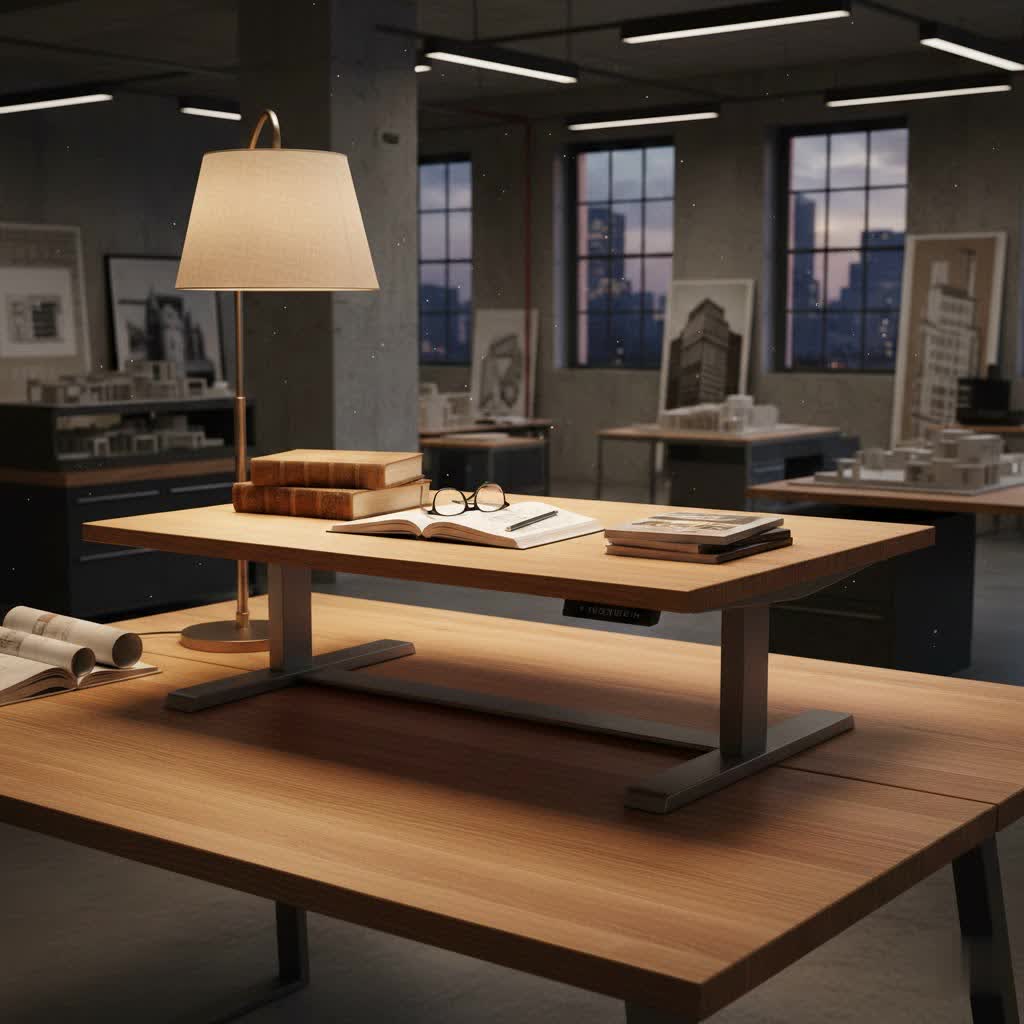
- Standing Desk Converters: Rather than replacing your entire desk, a converter sits on top of your existing workstation, lifting your monitors and keyboard to standing height. These are an excellent, cost-effective option for those who want to experience the benefits of standing without committing to a full desk replacement or who need a portable solution. They often use gas spring mechanisms for adjustment.
- Fixed Standing Desks: As the name suggests, these desks are set at a permanent standing height and offer no adjustability. While they encourage standing, they lack the flexibility of sit-stand options, making them less ideal for prolonged use or for users who need to alternate postures.
- Pneumatic Desks: Operating on gas cylinders, pneumatic standing desks offer quick and quiet height adjustments without the need for electricity, similar to a desk chair. They provide a smooth transition but may have weight capacity limitations and the gas cylinders can lose pressure over extended use.
- Bluetooth-Enabled Desks: An evolution of electric desks, these models connect to a smartphone app, allowing for remote height control, programmable reminders to switch postures, and tracking of standing time. They offer an advanced level of convenience and integration.
- Treadmill Desks: For the ultimate active workstation, a treadmill desk integrates a walking treadmill beneath the desk surface. This allows users to walk slowly while working, further increasing physical activity and calorie expenditure throughout the day.
|
Our Picks for the Best Standing Desk in 2026
As an Amazon Associate I earn from qualifying purchases.
|
||
| Num | Product | Action |
|---|---|---|
| 1 | Veken 55 Inch Large Electric Standing Desk, 4 Memory Heights Adjustable,Sit to Stand Up, Work Home Office Computer Table for Study, Walking Pad, Writing, and Games, Wooden Desktop Desks, Nature Wood |

|
| 2 | Ergear Height Adjustable Electric Standing Desk, 48x24 Inches Sit Stand up Memory Computer Home Office Desk (Natural),(EGESD5N) |
|
| 3 | ErGear Height Adjustable Electric Standing Desk, 48 x 24 Inches Sit Stand up Desk, Memory Computer Home Office Desk with Two-Piece Desktop (Vintage Brown) |
|
| 4 | ErGear Height Adjustable Electric Standing Desk, 48 x 24 Inches Sit Stand up Desk, Memory Computer Home Office Desk with Two-Piece Desktop (Grey) |
|
| 5 | Veken 55 Inch Large Electric Standing Gaming Desk, Heights Adjustable,Sit to Stand Up, Work Home Office Computer Table for Study, Walking Pad, Writing, and Games, Wooden Desktop Desks, Black |
|
| 6 | Veken 55 Inch Large Electric Standing Desk, Heights Adjustable, Sit to Stand Up, Work Home Office Computer Table for Study, Walking Pad, Writing, and Games, Wooden Desktop Desks, Brown |
|
| 7 | HUANUO 32" Small Electric Standing Desk Adjustable Height, 4 Memory Height Settings, Sit Stand Up Desk for Home Office & Computer Workstation, LightWalnut |
|
| 8 | ErGear Height Adjustable Electric Standing Desk, 48 x 24 Inches Sit Stand up Desk, Memory Computer Home Office Desk with Two-Piece Desktop (White) |
|
| 9 | ErGear Height Adjustable Electric Standing Desk, 48 x 24 Inches Sit Stand up Desk, Memory Computer Home Office Desk with Two-Piece Desktop (Walnut) |
|
| 10 | Veken 55 Inch Large Electric Standing Desk,Sit to Stand Up, Heights Adjustable, Work Home Office Computer Table for Study, Walking Pad, Writing, and Games, Wooden Desktop Desks, White |
|
Key Factors to Consider When Buying a Standing Desk
Making an informed decision requires careful consideration of several practical and ergonomic factors.
- Dimensions and Workspace: Start by measuring your available space. Consider the desk’s width and depth, ensuring it comfortably accommodates your monitors, laptop, and other peripherals, along with any necessary clearance for monitor arms or accessories. Standard desk sizes are typically 48×24 inches or 60×30 inches, but options vary widely.
- Height Adjustment Range & Mechanism: This is paramount for ergonomics. The desk should adjust to an ergonomic height for both sitting and standing, allowing your elbows to form a 90-degree angle with your forearms parallel to the floor in both positions. Taller or shorter individuals need to pay close attention to the minimum and maximum height specifications. Electric desks offer the most convenience with their push-button controls and memory presets.
- Stability and Build Quality: A wobbly desk can be incredibly distracting and uncomfortable. Look for sturdy frames, often indicated by heavier materials and robust leg designs. Desks with three-stage legs generally offer greater stability and a wider height range than two-stage designs. Four-leg frames, while more expensive, provide superior stability and higher weight capacity for larger setups.
- Weight Capacity: Ensure the desk can safely support all your equipment, including multiple monitors, a CPU, books, and other accessories. Overloading a desk can compromise its stability and longevity, especially for motorized models. Check the manufacturer’s specifications carefully.
- Desktop Material and Aesthetics: Standing desks come with various desktop materials, each offering different durability, feel, and aesthetic appeal. Common options include laminate (affordable, diverse finishes), bamboo (durable, sustainable), and solid wood (premium look, long-lasting). Choose a material and finish that complements your office decor and meets your durability expectations.
- Budget: Standing desks range significantly in price, from entry-level manual models and converters to high-end electric desks with advanced features. Determine your budget early on and prioritize the features most important to you to find the best value within your price range.
- Additional Features and Accessories: Many desks offer integrated features or compatible accessories that can enhance your experience. Consider cable management solutions to keep your workspace tidy, built-in power outlets for convenience, or an anti-fatigue mat to alleviate discomfort during prolonged standing sessions. Monitor arms, keyboard trays, and caster wheels (for mobility) are also popular additions.
Standing Desk Comparison Table
To help illustrate the differences, here’s a general comparison of common standing desk types:
| Feature Category | Manual Desk Example | Electric Desk Example | Converter Example |
|---|---|---|---|
| Adjustment Method | Hand Crank / Lever | Push-Button Motorized | Gas Spring / Lever |
| Height Range | Moderate, often less precise | Wide, precise, often with presets | Limited by existing desk surface |
| Stability | Good, but can vary | Excellent (especially dual-motor) | Varies, some can be wobbly at max height |
| Price Point | Budget-friendly | Mid-range to High-end | Most affordable new purchase |
| Pros | Affordable, no electricity needed, simple | Smooth, effortless, memory functions, often higher capacity | Uses existing desk, portable, quick setup |
| Cons | Slower to adjust, requires physical effort, lower capacity | Higher initial cost, requires power outlet | Smaller work surface, can add clutter, less stable than full desks |
Your Essential Standing Desk Buying Guide
Navigating the multitude of options can be daunting, but a structured approach simplifies the process.
- Assess Your Needs and Workspace: Before looking at products, consider how you work. Do you use multiple monitors? Need ample space to spread out documents? Will the desk be in a dedicated office or a shared living space? Your answers will guide your size and feature requirements.
- Define Your Budget: Be realistic about what you’re willing to spend. Higher budgets often translate to better stability, smoother adjustments, and more advanced features. Knowing your limit helps you filter options effectively.
- Research and Compare Models: Dive into product specifications, read reviews, and watch video demonstrations. Pay attention to feedback regarding stability, motor noise (for electric desks), and ease of assembly. Comparing features across different brands will help you identify what truly offers the best value.
- Prioritize Ergonomics: Always ensure the desk’s height range is suitable for your body. Proper ergonomic setup at both sitting and standing heights is crucial to reaping the health benefits and avoiding new aches or strains.
- Check Warranty and Support: Especially for electric desks with motors, a good warranty provides peace of mind. Understand the manufacturer’s customer service and return policies before purchasing.
- Consider Local vs. Online Purchase: While online retailers offer vast selections, checking local stores allows you to see and test desks in person, assess their stability, and get a feel for the materials. Many large retailers like Lowe’s, Walmart, and Best Buy offer standing desks and provide options for in-store pickup, combining convenience with the ability to physically inspect the product.
The Transformative Benefits of Using a Standing Desk
Beyond being a trend, standing desks offer tangible benefits that can significantly improve your health and work life.
- Enhanced Health & Well-being: Prolonged sitting is linked to numerous health issues. Standing desks encourage more movement, which can lead to a host of health improvements. This includes a reduced risk of cardiovascular disease, type 2 diabetes, and obesity by increasing calorie expenditure. Regular posture changes can also significantly alleviate chronic back, neck, and shoulder pain, while improving overall posture and strengthening core muscles. Better circulation is another key benefit, preventing blood from pooling in the legs.
- Increased Productivity & Focus: Many users report feeling more energetic, alert, and focused when incorporating standing into their workday. This increased engagement can lead to a boost in productivity and even stimulate creativity by breaking up monotonous seated periods. The simple act of changing positions can refresh your mind and help combat the afternoon slump, leading to sustained energy levels throughout the day.
“After evaluating hundreds of models over my decade in the standing desk field, I’ve seen firsthand how a well-chosen standing desk can be a game-changer. It’s not just about standing; it’s about dynamic movement, enhancing your body’s natural inclination to shift and adapt, leading to profound improvements in health and focus.” – ReviewCiel Admin, Standing Desk Expert
Conclusion
Investing in a standing desk is an investment in your health, productivity, and overall well-being. By understanding the different types available, considering key factors like stability, adjustability, and materials, and assessing your unique needs, you can confidently choose a desk that serves as the cornerstone of a healthier, more dynamic workspace. The shift from sedentary sitting to active standing can significantly reduce discomfort, boost energy, and sharpen your focus.
Are you ready to embrace the benefits of a more active workday and transform your office environment?
Frequently Asked Questions
What’s the ideal height for a standing desk?
The ideal standing height is when your elbows form a 90-degree angle, and your forearms are parallel to the floor, allowing your wrists to remain neutral while typing. For seated positions, your feet should be flat on the floor, and your knees at a 90-degree angle, with the desk at the same ergonomic height for your arms.
Are standing desks truly better for your health?
Yes, extensive research indicates that standing desks offer significant health benefits. They help reduce the risks associated with prolonged sitting, such as back pain, cardiovascular issues, and metabolic syndrome, while improving posture, circulation, energy levels, and overall well-being.
How often should I switch between sitting and standing?
Experts recommend regularly alternating between sitting and standing, aiming for a ratio of 15-30 minutes of standing for every 30-60 minutes of sitting. Frequent, shorter transitions are often more beneficial than prolonged periods in either position, promoting continuous movement and comfort.
Can I use my current desk with a standing desk converter?
Absolutely. Standing desk converters are designed to sit on top of your existing desk, transforming it into a sit-stand workstation without requiring a complete desk replacement. Ensure your current desk is stable enough to support the converter and your equipment, and that there’s adequate surface area.
What essential accessories should I consider for a standing desk?
For enhanced comfort and ergonomics, consider an anti-fatigue mat to alleviate foot and leg strain during standing sessions. A monitor arm can help position your screens at the perfect eye level, and effective cable management solutions are crucial for maintaining a tidy and safe workspace. A keyboard tray can also help maintain a neutral wrist position.
