The modern professional often finds themselves locked in a sedentary cycle, spending countless hours seated. This prolonged sitting, sometimes dubbed the “new smoking,” is linked to numerous health issues, from cardiovascular disease to chronic back pain. But what if you could transform your workspace into a dynamic environment that supports both your health and your productivity? An Electric Standing Desk offers precisely that solution, allowing seamless transitions between sitting and standing, empowering you to work smarter and live healthier. This comprehensive guide will walk you through everything you need to know about selecting the ideal electric standing desk to revolutionize your daily routine.
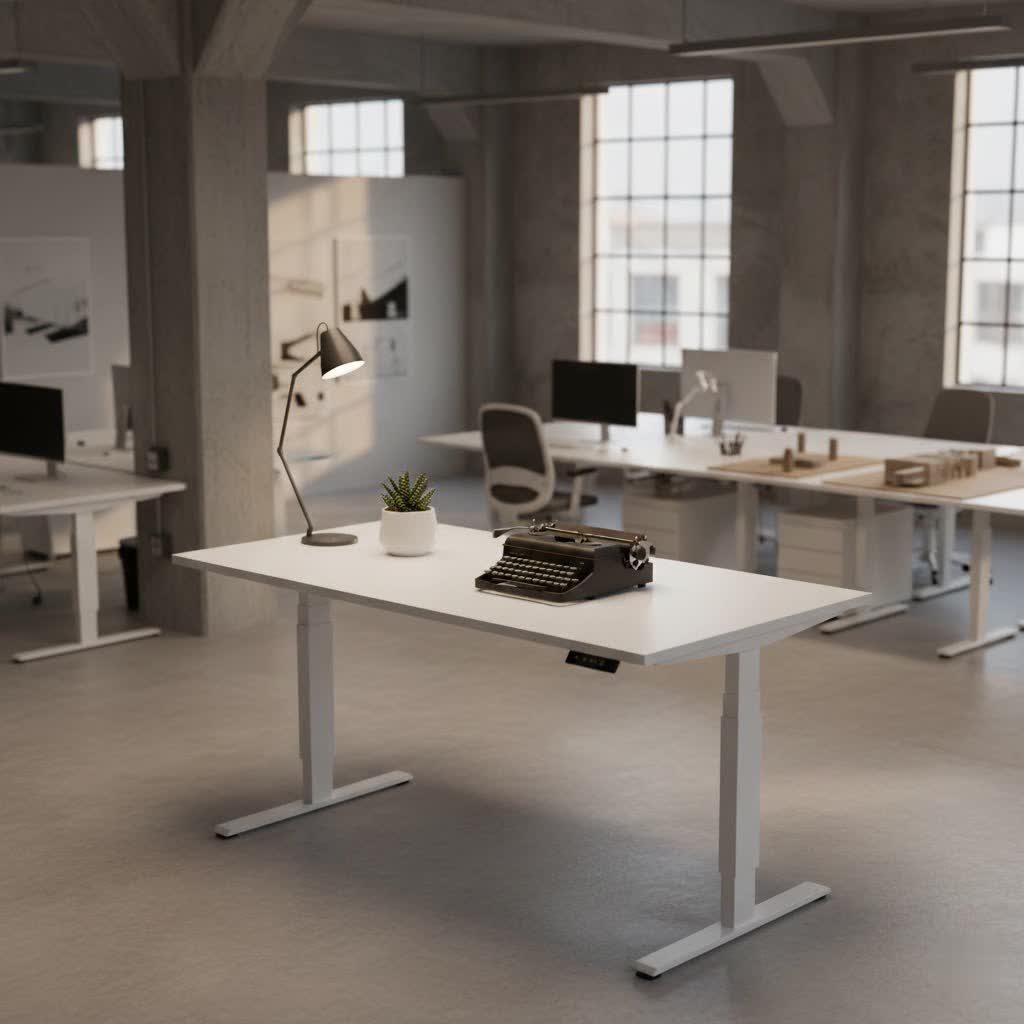
Choosing the Right Electric Standing Desk: A Detailed Guide
Selecting an electric standing desk is an investment in your well-being and efficiency. With a myriad of options available, understanding the nuances of these adjustable workstations is key to making an informed decision. The ideal desk should integrate seamlessly into your lifestyle, offering comfort, stability, and smart features that enhance your daily workflow.
Popular Types of Standing Desks
While our focus is on electric models, it’s helpful to understand the landscape of adjustable desks available.
- Electric Height-Adjustable Desks: These are the most popular and convenient choice. Powered by one or more motors, they allow users to effortlessly adjust the desk height with the push of a button, often featuring memory presets for preferred sitting and standing heights. They are ideal for users who frequently switch positions throughout the day.
- Manual Height-Adjustable Desks: Operated via a hand crank or pneumatic mechanism, these desks are typically more budget-friendly and do not require power outlets. However, adjusting the height can be slower and less convenient, which might deter frequent position changes.
- Desk Converters: These are units placed on top of an existing traditional desk, elevating your monitors and keyboard to standing height. They are a cost-effective option for those not ready to replace their entire desk.
- Fixed Standing Desks & Exercise Desks: Fixed standing desks remain at a constant standing height, lacking adjustability. Exercise desks, sometimes combined with treadmills or stationary bikes, integrate physical activity into the workday, catering to a very specific user need.
|
Our Picks for the Best Standing Desk in 2026
As an Amazon Associate I earn from qualifying purchases.
|
||
| Num | Product | Action |
|---|---|---|
| 1 | Veken 55 Inch Large Electric Standing Desk,Sit to Stand Up, Heights Adjustable, Work Home Office Computer Table for Study, Walking Pad, Writing, and Games, Wooden Desktop Desks, White |

|
| 2 | Veken 55 Inch Large Electric Standing Gaming Desk, Heights Adjustable,Sit to Stand Up, Work Home Office Computer Table for Study, Walking Pad, Writing, and Games, Wooden Desktop Desks, Black |
|
| 3 | ErGear Height Adjustable Electric Standing Desk, 48 x 24 Inches Sit Stand up Desk, Memory Computer Home Office Desk with Two-Piece Desktop (Grey) |
|
| 4 | ErGear Height Adjustable Electric Standing Desk, 48 x 24 Inches Sit Stand up Desk, Memory Computer Home Office Desk with Two-Piece Desktop (Vintage Brown) |
|
| 5 | HUANUO 32" Small Electric Standing Desk Adjustable Height, 4 Memory Height Settings, Sit Stand Up Desk for Home Office & Computer Workstation, LightWalnut |
|
| 6 | Veken 55 Inch Large Electric Standing Desk, Heights Adjustable, Sit to Stand Up, Work Home Office Computer Table for Study, Walking Pad, Writing, and Games, Wooden Desktop Desks, Brown |
|
| 7 | ErGear Height Adjustable Electric Standing Desk, 48 x 24 Inches Sit Stand up Desk, Memory Computer Home Office Desk with Two-Piece Desktop (Walnut) |
|
| 8 | Ergear Height Adjustable Electric Standing Desk, 48x24 Inches Sit Stand up Memory Computer Home Office Desk (Natural),(EGESD5N) |
|
| 9 | ErGear Height Adjustable Electric Standing Desk, 48 x 24 Inches Sit Stand up Desk, Memory Computer Home Office Desk with Two-Piece Desktop (White) |
|
| 10 | Veken 55 Inch Large Electric Standing Desk, 4 Memory Heights Adjustable,Sit to Stand Up, Work Home Office Computer Table for Study, Walking Pad, Writing, and Games, Wooden Desktop Desks, Nature Wood |
|
Key Factors to Consider When Buying an Electric Standing Desk
Making an informed decision about your electric standing desk involves evaluating several critical aspects. Prioritizing these factors ensures you select a desk that meets your ergonomic needs, workspace demands, and budget.
- Size and Workspace: Before purchasing, accurately measure your available space. Consider both the desktop dimensions and the footprint of the desk’s legs. A desktop that is too small might feel cramped, while one that’s too large could overwhelm your room. Also, account for the space needed for accessories like monitor arms, multiple screens, and your computer tower.
- Height Adjustment Range: A crucial factor for ergonomic comfort is ensuring the desk’s height range accommodates your individual stature. For seated work, the desktop typically needs to be between 25-30 inches (65-75 cm). For standing, it might range from 41-49 inches (105-125 cm), depending on your height. Look for models with a wide adjustment range to comfortably fit both short and tall users, allowing your elbows to rest at a natural 90-degree angle when working in both positions.
- Material and Durability: The quality of materials directly impacts the desk’s lifespan and stability. Common desktop materials include particleboard, laminate, bamboo, and solid wood, each offering different aesthetics and resilience. The frame, usually steel or aluminum, should be robust to prevent wobbling, especially at higher elevations. A sturdy construction is vital for the long-term stability and integrity of your investment.
- Load Capacity: Consider the total weight of your equipment, including monitors, computer, accessories, and anything else you plan to place on the desk. Electric standing desks have varying load capacities, typically ranging from 150 lbs to over 350 lbs. Ensure the desk can safely and smoothly lift your entire setup without strain on its motors.
- Motor Configuration (Single vs. Dual): This is the “heart” of an electric standing desk.
- Single-motor desks are generally more affordable and suitable for lighter loads and smaller desktops. They may have a slower lifting speed (around 15-25 mm/s) and can be slightly noisier (50-60 dB). Stability might be less robust at maximum height.
- Dual-motor desks feature a motor in each leg, providing faster, smoother, and quieter operation (below 45 dB). They offer significantly higher load capacities (typically 250-350+ lbs), enhanced stability, and superior durability due to evenly distributed load. They are highly recommended for larger setups, multiple monitors, and heavy use.
- Safety Features (Collision Detection): Essential for preventing accidents and protecting your equipment. Collision detection systems automatically stop and reverse the desk’s movement if an obstacle is encountered during adjustment. This feature is particularly valuable in home offices with children or pets, or in dense office environments.
- Memory Presets: This feature greatly enhances convenience. With memory presets, you can program your preferred sitting and standing heights, allowing for one-touch adjustment between positions. Desks with 2-4 memory buttons are common and make switching postures effortless, encouraging more frequent movement throughout the day.
- Cable Management: A well-designed cable management system is crucial for a tidy and functional workspace. Look for desks with integrated cable trays, routing channels, and desktop grommets to keep wires organized and prevent them from getting caught or stretched during height adjustments. Some advanced models include integrated power strips for a cleaner setup.
- Ease of Assembly: While many electric standing desks are designed for relatively straightforward assembly, some can be complex or heavy, potentially requiring two people. Check reviews or product descriptions for assembly difficulty, especially if you plan to set it up yourself.
- Warranty: As an investment, a strong warranty is important. Pay attention to the warranty coverage for the frame, motor, and electronic components, as these can vary significantly between brands. A longer warranty often signifies the manufacturer’s confidence in their product’s durability.
Comparison of Popular Electric Standing Desk Models
While specific models and features evolve rapidly, here’s a general comparison of types of electric standing desks commonly found on the market, illustrating the diverse options available:
| Feature/Category | Entry-Level / Budget-Friendly | Mid-Range / Mainstream | Premium / Executive |
|---|---|---|---|
| Brands (Examples) | Fezibo, Monoprice, VIVO | FlexiSpot, Autonomous, Vari | Uplift, Branch, Secretlab (Gaming), Herman Miller Fully Jarvis |
| Motor Type | Often single-motor; dual-motor options becoming more common | Usually dual-motor for better performance | Almost exclusively dual-motor for maximum stability and quietness |
| Load Capacity | 150-220 lbs | 220-330 lbs | 300-450+ lbs |
| Height Range | Standard, often 28″-47″ (71-120 cm) | Wider range, e.g., 25″-51″ (63-130 cm) | Very wide, accommodating a broader user height spectrum |
| Stability | Good at lower heights, may have slight wobble when fully extended | Excellent, even at higher settings | Exceptional, minimal wobble even with heavy loads |
| Noise Level | Noticeable but usually acceptable (50-60 dB) | Quiet operation (under 50 dB) | Very quiet, almost silent operation (under 45 dB) |
| Preset Memory | 2-3 presets | 3-4 presets | 3-4+ presets, often with smart features |
| Desktop Material | Particleboard, basic laminate | High-quality laminate, bamboo, often various color options | Solid wood, premium laminates, unique finishes (e.g., whiteboard) |
| Additional Features | Basic cable management, anti-collision sometimes optional | Improved cable management, anti-collision standard, USB ports often included | Advanced cable management, wireless charging, integrated power, drawers, smart app control, extensive customization |
| Warranty | 1-5 years (frame/motor) | 5-10 years (frame/motor) | 10-15+ years (frame/motor) |
| Assembly Ease | Varies, some very easy, some require more effort | Generally straightforward, possibly 2 people for larger sizes | Can be more involved due to complex features, but often clear instructions |
| Price Range | $150 – $400 | $400 – $800 | $800 – $2000+ |
Benefits of Using an Electric Standing Desk
The advantages of integrating an electric standing desk into your workspace extend far beyond simply switching positions. These desks are tools for fostering a healthier, more dynamic, and ultimately more productive work life.
- Improved Health: Prolonged sitting is a risk factor for various health conditions, including heart disease, type 2 diabetes, and obesity. Regularly switching between sitting and standing helps to counteract these risks by increasing your metabolic rate and promoting better blood circulation. Even small changes, like burning an additional 54 calories per hour while standing compared to sitting, contribute to overall energy expenditure.
- Enhanced Energy and Focus: Standing naturally keeps you more alert and engaged. Many users report a significant reduction in the dreaded “afternoon slump” when they incorporate standing into their routine. This increased alertness can lead to improved concentration and cognitive function, making you more efficient throughout the day.
- Reduced Back and Neck Pain: Poor posture from prolonged sitting is a leading cause of back and neck pain. An electric standing desk allows you to easily adjust your posture, reducing strain on your spine and muscles. By maintaining an ergonomic standing position – with elbows at a 90-degree angle and your monitor at eye level – you can alleviate existing discomfort and prevent future issues.
- Improved Posture: Standing encourages a more natural and upright spinal alignment. Over time, consistent use of a standing desk can help strengthen core muscles and improve overall posture, which has benefits beyond the workspace.
- Increased Productivity and Creativity: A dynamic workspace can stimulate both mind and body. The ability to shift between sitting and standing can break monotony, boost blood flow to the brain, and potentially spark new ideas and enhance problem-solving capabilities.
> “An electric standing desk isn’t just a piece of furniture; it’s a commitment to a healthier, more active work life. The ease of adjustment means you’re more likely to actually use the standing feature, making it a truly ergonomic investment.” – Dr. Elena Petrova, Ergonomics Specialist
Conclusion
Embracing an electric standing desk is a proactive step towards transforming your work environment and enhancing your overall well-being. By allowing for fluid transitions between sitting and standing, these desks combat the detrimental effects of prolonged sedentary behavior, offering tangible benefits for your physical health, mental focus, and productivity.
When selecting your ideal electric standing desk, remember to prioritize a model that offers a suitable height adjustment range, robust stability, reliable motor configuration (preferably dual-motor for optimal performance), and thoughtful features like memory presets and cable management. This careful consideration ensures your desk is not just a trend, but a lasting tool that supports your health and maximizes your work efficiency for years to come. Are you ready to elevate your workspace and invest in a healthier future?
Frequently Asked Questions
Does an electric standing desk really help?
Yes, an electric standing desk can significantly help improve health and productivity, but only when used correctly. Experts recommend alternating between sitting and standing every 30-60 minutes, often referred to as the “20-8-2 rule” (20 minutes sitting, 8 minutes standing, 2 minutes moving). This dynamic approach helps reduce sedentary time, alleviate pain, and boost energy.
What is the proper height for an electric standing desk?
The proper height for an electric standing desk is highly individual. When standing, your elbows should form approximately a 90-degree angle, with your wrists straight and relaxed. The top of your monitor should be at eye level or slightly below, preventing neck strain. When sitting, your feet should be flat on the floor, and your knees bent at 90 degrees.
How do electric standing desks work?
Electric standing desks typically use one or more electric motors, often housed within the legs, to raise and lower the desktop. Users control the height via a control panel, which usually includes up/down buttons and programmable memory presets. These presets allow for one-touch adjustment to pre-set sitting or standing heights, offering convenience and encouraging frequent posture changes.
Can an electric standing desk help you lose weight?
While an electric standing desk alone is not a primary weight-loss solution, it can contribute to increased daily calorie expenditure. Standing burns approximately 0.15-0.2 more calories per minute than sitting. Over time, consistently incorporating standing into your workday can help reduce sedentary behavior and support weight management efforts when combined with a balanced diet and regular exercise.
How long do electric standing desks last?
The lifespan of an electric standing desk can vary based on its quality, usage, and the manufacturer’s warranty. On average, a well-built electric standing desk can last anywhere from 5 to 15 years. Desks with higher quality materials, robust dual-motor systems, and longer warranties tend to offer greater durability and longevity.
Are electric standing desks easy to assemble?
The ease of assembly for electric standing desks varies widely by model and brand. Many modern desks are designed for relatively straightforward assembly, often including all necessary tools and clear instructions. However, larger or more feature-rich desks can be heavier and more complex, sometimes recommending two people for setup, especially when attaching the desktop to the frame.
