In today’s fast-paced world, many of us spend countless hours tethered to our desks, often in static sitting positions. While this might seem unavoidable, prolonged sitting has been linked to various health concerns, from back pain to reduced energy levels. Fortunately, the standing desk offers a dynamic solution, empowering you to alternate between sitting and standing throughout your workday. But with a myriad of options available, how do you choose the perfect standing desk to elevate your health and productivity? This comprehensive guide will walk you through everything you need to know, helping you make an informed decision for a healthier, more active workspace.
Understanding Standing Desks: More Than Just a Trend
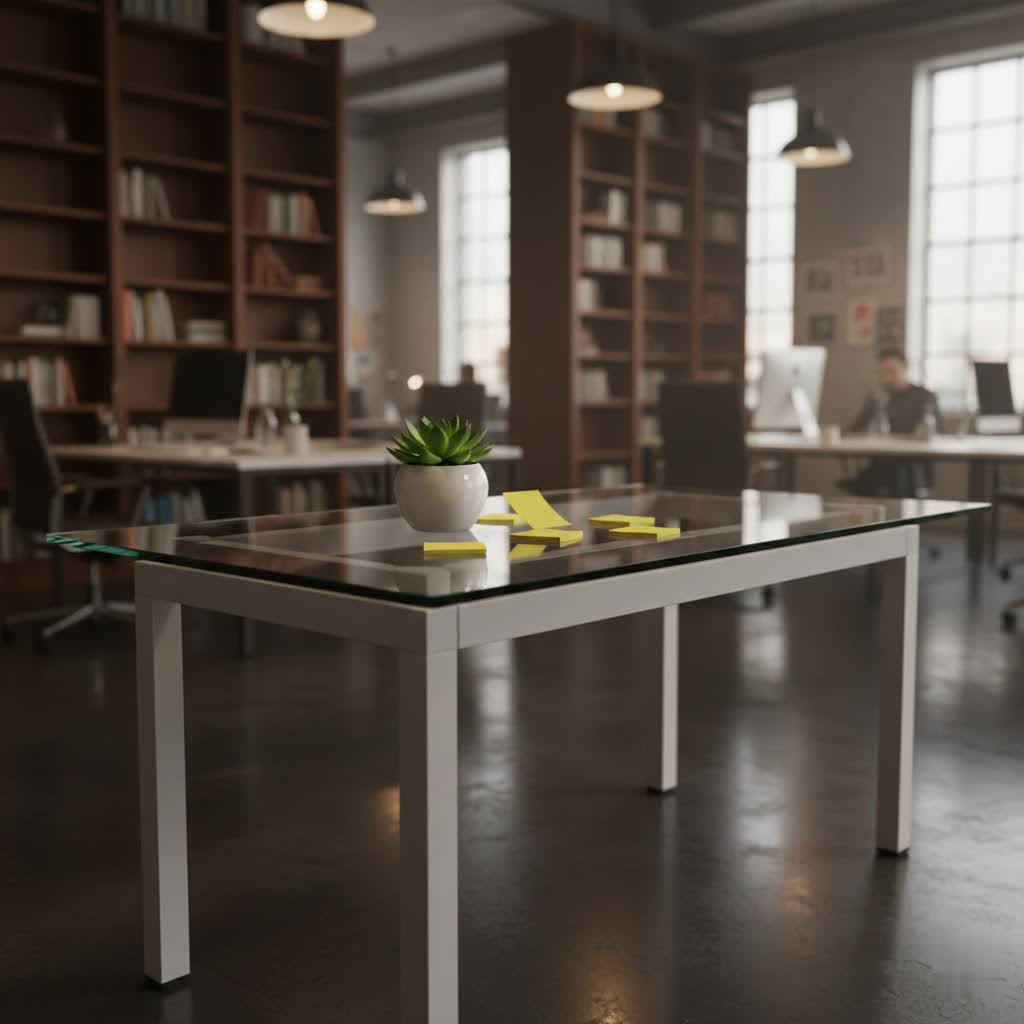
A standing desk, often called a height-adjustable desk or sit-stand desk, is designed to allow you to work comfortably while standing, then easily adjust the height to a sitting position. The true benefit doesn’t lie in standing all day, but in the flexibility to alternate your posture. This movement is crucial for breaking up sedentary periods, reducing physical strain, and encouraging a more active work routine.
Types of Standing Desks to Consider
The standing desk market offers a range of options, each with distinct advantages and considerations. Understanding these types is the first step in finding your ideal fit.
Manual Height Adjustable Desks
These desks are typically raised and lowered using a hand crank mechanism. They offer a simple, non-electric solution for adjusting your work height.
- Pros: Generally more affordable, do not require an electrical outlet, and are perceived as more durable due to fewer electronic components.
- Cons: Adjustments can be slower and require more physical effort, which might discourage frequent changes. They often have a limited height adjustment range and lower weight capacity, and some users might find them less stable when fully extended. Without regular maintenance, hand cranks can become stiff or jam over time.
|
Our Picks for the Best Standing Desk in 2026
As an Amazon Associate I earn from qualifying purchases.
|
||
| Num | Product | Action |
|---|---|---|
| 1 | ErGear Height Adjustable Electric Standing Desk, 48 x 24 Inches Sit Stand up Desk, Memory Computer Home Office Desk with Two-Piece Desktop (Grey) |

|
| 2 | ErGear Height Adjustable Electric Standing Desk, 48 x 24 Inches Sit Stand up Desk, Memory Computer Home Office Desk with Two-Piece Desktop (Walnut) |
|
| 3 | ErGear Height Adjustable Electric Standing Desk, 48 x 24 Inches Sit Stand up Desk, Memory Computer Home Office Desk with Two-Piece Desktop (Vintage Brown) |
|
| 4 | Veken 55 Inch Large Electric Standing Desk, 4 Memory Heights Adjustable,Sit to Stand Up, Work Home Office Computer Table for Study, Walking Pad, Writing, and Games, Wooden Desktop Desks, Nature Wood |
|
| 5 | Veken 55 Inch Large Electric Standing Gaming Desk, Heights Adjustable,Sit to Stand Up, Work Home Office Computer Table for Study, Walking Pad, Writing, and Games, Wooden Desktop Desks, Black |
|
| 6 | ErGear Height Adjustable Electric Standing Desk, 48 x 24 Inches Sit Stand up Desk, Memory Computer Home Office Desk with Two-Piece Desktop (White) |
|
| 7 | Veken 55 Inch Large Electric Standing Desk,Sit to Stand Up, Heights Adjustable, Work Home Office Computer Table for Study, Walking Pad, Writing, and Games, Wooden Desktop Desks, White |
|
| 8 | Ergear Height Adjustable Electric Standing Desk, 48x24 Inches Sit Stand up Memory Computer Home Office Desk (Natural),(EGESD5N) |
|
| 9 | HUANUO 32" Small Electric Standing Desk Adjustable Height, 4 Memory Height Settings, Sit Stand Up Desk for Home Office & Computer Workstation, LightWalnut |
|
| 10 | Veken 55 Inch Large Electric Standing Desk, Heights Adjustable, Sit to Stand Up, Work Home Office Computer Table for Study, Walking Pad, Writing, and Games, Wooden Desktop Desks, Brown |
|
Electric Height Adjustable Desks
Electric standing desks utilize a motor (or multiple motors) to raise and lower the desktop with the push of a button. They represent the most popular choice for ease of use.
-
Pros: Offer smooth, fast, and effortless height adjustments. Many models include programmable memory presets, allowing you to save your preferred sitting and standing heights. Electric desks are typically more stable and can support heavier equipment.
-
Cons: They come with a higher price tag due to their advanced features and electronic components. They require an electrical power source, and motor noise during adjustment can vary depending on quality.
- Single vs. Dual Motor: If you’re considering an electric model, note that dual-motor desks, which have a motor in each leg, generally provide smoother, faster, and quieter adjustments with superior stability and a higher weight capacity compared to single-motor desks.
Standing Desk Converters (Desk Risers)
Designed to sit on top of your existing fixed-height desk, converters transform it into a sit-stand workstation.
- Pros: A more budget-friendly entry point into standing work without replacing your entire desk. They are suitable for offices with built-in desks or limited space.
- Cons: Can clutter your existing workspace, offer less desktop space, and may not be as stable as full standing desks. Their height adjustment range can be limited, potentially not accommodating very tall or short users ergonomically. Some designs might also make it challenging to maintain an ergonomic setup for laptops or multiple monitors.
Portable Standing Desks and Carts
These desks are often smaller, lightweight, and equipped with casters for easy mobility.
- Pros: Ideal for workers who need to move their workstation frequently, such as in medical practices or home offices where you might work in different rooms.
- Cons: Typically have a smaller work surface and may offer less stability compared to full-sized standing desks.
Key Factors to Consider When Buying a Standing Desk
Choosing the right standing desk involves evaluating several critical factors to ensure it meets your ergonomic needs, workspace requirements, and budget.
Size and Workspace Configuration
Before anything else, measure your available space. Consider not just the width but also the depth of the desktop. A desk that’s too shallow can force your monitor too close to your eyes, while one that’s too deep might make it hard to reach items comfortably. Aim for a depth of around 28 inches (approximately 70 cm) for most setups. Also, account for all your equipment, including monitors, a PC tower, keyboard, mouse, and any other accessories you use.
Height Adjustment Range
This is paramount for ergonomic comfort. Your standing desk should allow you to achieve an ideal posture whether sitting or standing. When standing, your elbows should be at roughly a 90-degree angle, with wrists straight and level with your forearms. Taller individuals (over 185 cm or 5’11”) need to ensure the desk can extend high enough, while shorter users (under 165 cm) need a low enough minimum height. Desks with three-stage (three-segment) frames typically offer a wider adjustment range, making them more versatile for a broader user base.
Stability and Weight Capacity
No one wants a wobbly desk, especially when it’s loaded with expensive equipment. While some degree of wobble is inherent at standing height, a high-quality desk should minimize it.
- Factors influencing stability:
- Leg stages: Three-stage legs generally offer greater stability than two-stage designs due to better overlap between segments.
- Number of legs: Four-leg frames are structurally more stable, offering up to 30% more stability than two-leg ones.
- Build quality: Thicker legs and heavier frames usually indicate better stability.
- Weight Capacity: Ensure the desk can safely support the combined weight of all your equipment. A weight capacity of at least 80 kg (around 176 lbs) is often recommended, with some users preferring 120 kg (265 lbs) or more for better long-term stability and additional accessories.
Desktop Material
The desktop material impacts aesthetics, durability, and maintenance.
- Chipboard: Affordable and available in various finishes, durable for about 3-4 years.
- MDF (Medium-Density Fiberboard): Offers a smooth, stable surface, less prone to warping but susceptible to moisture damage.
- Laminate: A common and durable option.
- Bamboo: Known for being extremely hard, durable, and lightweight, with a unique natural look.
- Solid Wood: Provides the most premium feel and aesthetic, with natural grain. Hardwoods like rubberwood are durable and cost-effective. Honeycomb board is lightweight but has limited capacity and lifespan.
Motor Type and Noise Level (for Electric Desks)
As discussed, dual-motor systems generally provide a quieter, smoother, and faster adjustment experience. If you work in a shared office or a quiet home environment, the noise level of the motor during height changes can be a significant factor. High-quality motors are designed for minimal disruption.
Smart Features and Accessories
Modern standing desks often come with a range of features that can enhance your workflow and comfort.
- Programmable Presets: Allow you to save multiple height settings for quick, one-touch adjustments between sitting and standing.
- Collision Avoidance: A safety feature that stops the desk from moving if it encounters an obstacle.
- Cable Management: Integrated trays or routing systems help keep your workspace tidy and prevent tangles.
- Additional Features: Consider built-in USB ports, drawers, monitor arms, cup holders, or CPU mounts. Always check compatibility with your chosen desk.
Budget
Your budget will inevitably influence your choices. Standing desk converters offer the most affordable entry point. Manual standing desks are budget-friendly but involve more effort. Electric standing desks, while a larger investment, often provide a superior user experience and durability. Think of it as investing in your long-term health and productivity.
Warranty and Customer Support
Good customer service and a solid warranty are crucial for any significant purchase. Look for brands that offer clear warranty coverage on the frame and motor, a reasonable return policy, and responsive customer support. Some companies also provide assembly services, which can save you time and hassle.
Benefits of Using a Standing Desk
Beyond the convenience of switching positions, integrating a standing desk into your routine offers a wealth of proven health and productivity benefits.
Improved Health Outcomes
Breaking up prolonged sitting with periods of standing can have a profound impact on your physical well-being.
- Lower Blood Sugar Levels: Studies show that standing for 180 minutes after lunch can significantly reduce blood sugar spikes compared to sitting for the same duration. This is particularly beneficial for those with insulin resistance or type 2 diabetes.
- Reduced Risk of Heart Disease and Lower Blood Pressure: Prolonged inactivity is linked to various cardiovascular issues. Incorporating standing can help reduce sitting time, which has been shown to lower blood pressure in older adults and contribute to better heart health.
- Decreased Back, Neck, and Shoulder Pain: Back pain is a common complaint among desk workers. Alternating between sitting and standing can reduce muscle discomfort, fatigue, and pain in the lower back, neck, and shoulders, promoting better posture.
- Combats Sedentarism: Reducing sedentary time helps mitigate risks associated with obesity, diabetes, and even certain cancers and dementia.
Enhanced Energy and Focus
When you stand, your blood circulation improves, delivering more oxygen and nutrients to your muscles and brain.
- Many users report feeling more energized, alert, and less fatigued throughout the day.
- This increased vitality can translate into improved cognitive function, better concentration, and a more positive work experience.
Better Mood and Posture
The physical benefits also extend to mental well-being and overall body mechanics.
- Studies indicate that reducing sitting time can positively impact mental health, leading to reduced anxiety, improved mood, and lower stress levels.
- Standing naturally encourages a more upright posture, engaging core and leg muscles. This can strengthen your body over time, contributing to long-term physical well-being.
Boosted Productivity and Creativity
Contrary to concerns that standing might hinder tasks, research suggests positive effects on work performance.
- Workers using standing desks often report increased productivity and greater engagement with tasks.
- Alternating positions can stimulate an active mindset, which may contribute to enhanced creativity and problem-solving capabilities.
“The real magic of a standing desk isn’t just in standing, but in the freedom it gives you to move. Constant movement is what truly empowers your body and mind throughout the workday.” – Admin, ReviewCiel, Standing Desk Expert
Buying Guide: Your Step-by-Step Approach
Ready to invest in your ergonomic future? Follow these steps to confidently choose your next standing desk.
- Assess Your Needs and Workspace: Start by mapping out your current setup. What devices do you use? How much space is available? What are your personal height requirements for comfortable sitting and standing?
- Define Your Budget: Determine a realistic price range. Remember that while a standing desk is an investment, the long-term health and productivity benefits can far outweigh the initial cost.
- Research and Compare: Dive into reviews and product specifications. Pay close attention to height adjustment ranges, weight capacities, motor types (for electric desks), stability claims, and desktop materials.
- Prioritize Features: Make a list of essential features versus nice-to-have extras. Do you need memory presets, advanced cable management, or specific accessories?
- Check Warranty and Support: Verify the manufacturer’s warranty policies and customer service reputation. A good warranty provides peace of mind for years to come.
- Try Before You Buy (If Possible): If you have the opportunity, visit a showroom to physically try out different models. This hands-on experience can give you a clearer sense of stability, ease of adjustment, and overall comfort.
Popular Standing Desk Models: A Comparison Guide
While specific recommendations depend on individual needs, here’s an example of how you might compare common types and their general attributes.
| Type of Desk | Ưu điểm (Pros) | Nhược điểm (Cons) | Giá tham khảo (Estimated Price Range) |
|---|---|---|---|
| Manual Standing Desk | Affordable, no electricity, durable | Requires effort, slower, limited range, less stable | $150 – $400 |
| Single-Motor Electric | Easy adjustment, more stable than manual, programmable | Can be noisy, less stable than dual-motor | $300 – $600 |
| Dual-Motor Electric | Smooth, fast, quiet, highly stable, high capacity, presets | Higher cost | $500 – $1500+ |
| Standing Desk Converter | Budget-friendly, uses existing desk | Clutters workspace, less stable, limited space | $100 – $400 |
Note: The prices above are illustrative estimates and can vary significantly based on brand, features, and sales.
Conclusion
Investing in a standing desk is a conscious step towards a healthier, more dynamic, and productive work life. By thoughtfully considering the different types, essential features, and your personal needs, you can choose a standing desk that seamlessly integrates into your daily routine. Remember, the goal is not just to stand more, but to introduce beneficial movement and flexibility, transforming your workspace into a hub of well-being and efficiency.
Are you ready to embrace the power of movement and revolutionize your workday?
Frequently Asked Questions
Are standing desks truly effective for reducing back pain?
Yes, many studies suggest that alternating between sitting and standing can significantly reduce lower back, neck, and shoulder pain by reducing static load and encouraging movement throughout the day. The key is to switch positions regularly, not just stand all day.
How much weight can a typical electric standing desk hold?
A good quality electric standing desk is generally recommended to have a weight capacity of at least 80 kg (around 176 lbs) to safely support monitors, a PC, and other accessories without compromising stability. Higher-end models can support 120 kg (265 lbs) or more.
Is a single-motor or dual-motor electric standing desk better?
For most users, a dual-motor electric standing desk is preferable. Dual motors offer smoother, faster, quieter adjustments, superior stability, and a higher weight capacity compared to single-motor desks. While often more expensive, they provide a more robust and satisfying experience.
What desktop material is most durable for a standing desk?
Solid wood, especially hardwoods like rubberwood, is considered the best for aesthetics and durability, offering a long-lasting, high-quality feel. Bamboo is also a very hard and durable option. Laminate and MDF are common, stable, and more budget-friendly choices, though MDF can be susceptible to moisture.
How often should I switch between sitting and standing?
There’s no strict rule, but experts recommend alternating regularly throughout the day. A common practice is to switch every 30-60 minutes, spending roughly half your workday standing and half sitting. Listening to your body and changing positions when you feel discomfort is most important.
Can standing desks improve my productivity?
Yes, research indicates that standing desks can enhance productivity by increasing alertness, energy levels, and focus. The flexibility to move can also lead to improved cognitive function and a more positive work experience.
What accessories are essential for a standing desk setup?
While not all are “essential,” highly recommended accessories include an anti-fatigue mat to reduce strain on your feet and legs, and a monitor arm to achieve optimal screen height and depth. Cable management solutions are also very useful for maintaining an organized workspace.
